 Yarns
Yarns
 Denim
Denim Knits
Knits



Behind The Spool: What Specialty Yarns Bring To Fashion
Why Specialty Yarn Manufacturers Matter More Than You Think
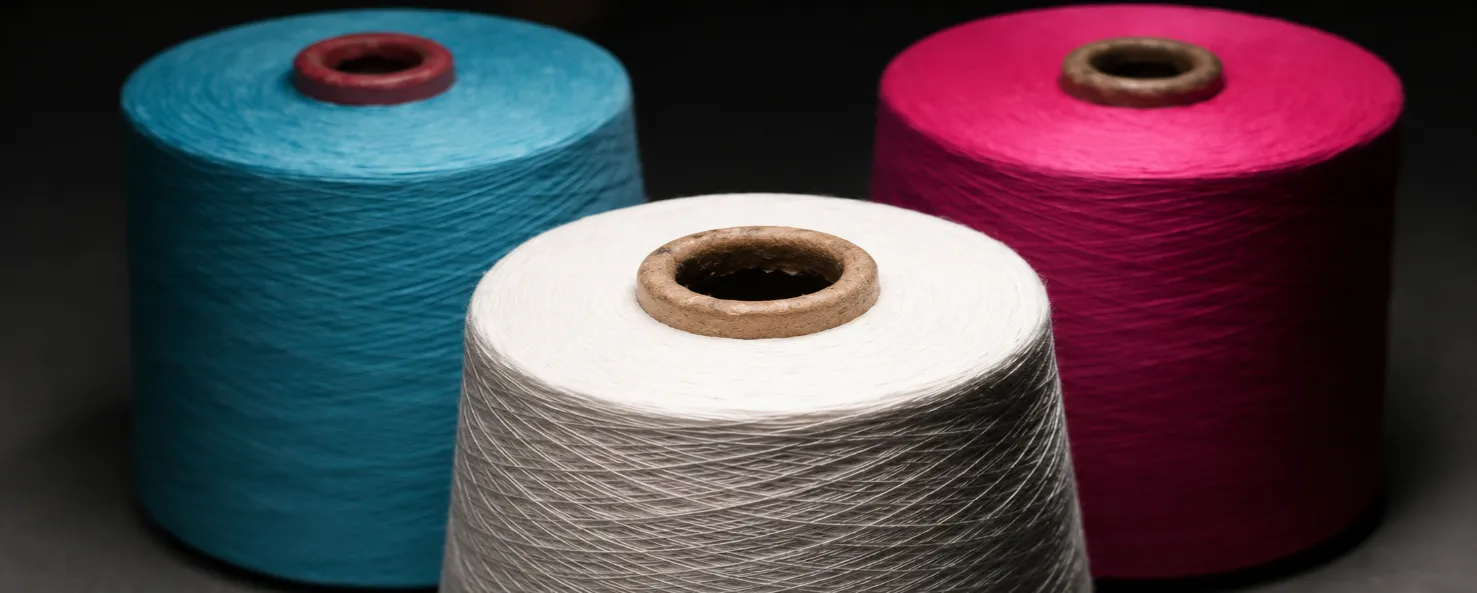
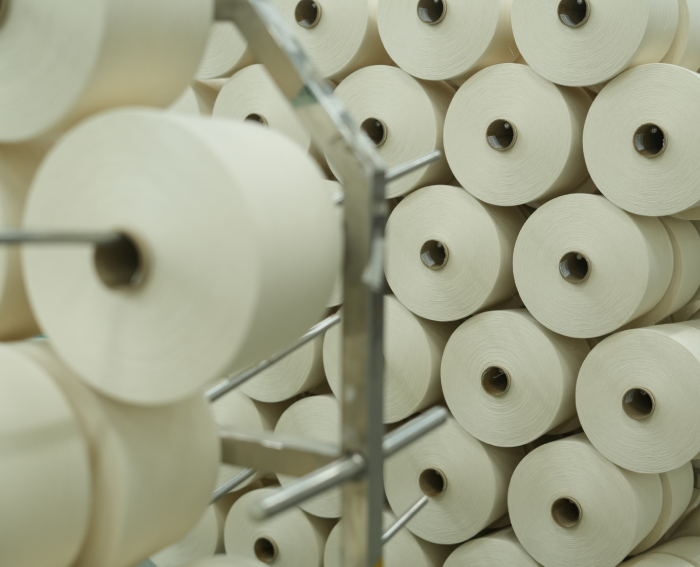
Most people underestimate the importance of the plain old spool of thread that’s spun and twisted long before any stitches are put to use. This tiny coil plays a more important role in the creation of everything that adorns our body than we realize. It’s the reason why that favorite t-shirt will maintain its shape throughout a tough workout or why a beloved cashmere sweater can last through decades of wash cycles. And deciding what goes onto that spool is up to a specialty yarn manufacturer, the designer in fiber development and engineering.
What Really Does Specialty Mean?
There’s the yarn that was thrown together for any use, such as a plain vanilla yarn that’ll stitch something for you when required. But specialty yarn is crafted to meet particular needs. It needs to perform specific tasks, including being resilient, holding its color under the UV rays of the sun, or resisting a pill under friction over extended periods. When you consider it, specialty means making it do something specific rather than being churned out in bulk.
This makes more of a difference when you then think about what happens if you don't. The wrong standard, cheap yarn on an expensive performance jacket, will soon fail at the seams or start to stretch and lose its shape. Specialty yarn is designed to ensure that you get a perfect fit between yarn, material, and what the final article will be used for, from the initial stitch to the last.
Some Examples You’ll Definitely Know
You likely wear certain specialty yarns without ever giving them a second thought. Here are just a few we see all the time in wardrobes we wear every day:
- Stretchy yarn made to move with an athletic outfit.
- Melange yarn creates texture by mixing hues and shades.
- Tough yarn is often found in work pants and jeans.
- Fine, soft yarn chosen for premium comfort pieces like loungewear.
The Skill Involved In Creating Specialty Yarn
When you look at a specialty yarn manufacturer, what they do feels much closer to handmade art than a regular factory line. They mix different fibers down to the exact percentage and tweak the spinning process to get the exact texture they want. Rigorous strength, elasticity, colorfastness, and softness tests are conducted on the finished yarns before the product even begins the trip to the mill. Any misstep in this complex process could, inevitably, show up at the downstream knitting or weaving stage.
Why Designers Care
For designers, it all starts with yarn. With a reliable specialty yarn manufacturer in the background, designers have the latitude to confidently deliver on the promise of real, demonstrable performance, whether that’s the ability to breathe on hot summer days or resilience for stretch denim. It shifts the ambition level designers are willing to chase because that stitch and thread in their drawing need to function after it’s left the studio.
This is another reason why you’ll see designers loyal to one or two yarn suppliers, rather than constantly switching. When a specific yarn acts in the expected manner season after season, run after run, it becomes a designer’s foundation and can anchor a collection. Shifting supplier mid-development would risk the kind of color distortion, unexpected shrinkage, or fiber modification that could sink months of painstaking effort in a single breath.
The Relevance To The Wearer
All this yarn science ends up at your fingertips—literally. When yarn is smarter, so is your clothing. It drapes and clings the way designers intend, so it feels right on your body and it performs. And while people don’t expect you to examine your clothing for a yarn label before purchasing, you’ll sense the results in every item—the feel of clothes that move when you do, not against you. For example, a perfectly maintained pair of jeans can say a lot about your traits.
The Sustainability Thread
At the start of the chain, in fact, before the garment even takes shape, is also where a good portion of the sustainability conversation begins. It’s increasingly standard practice for a sustainable textile manufacturer committed to a more sustainable future to use recycled fibres, certified organic cotton, and to source conscientiously, from field to spool. These are not overnight changes, of course, but they are transforming our definition of what makes quality yarn throughout the fashion world.
What is more, recycled polyester and certified cotton can also influence the way your garments wear and behave in the future. Fabrics crafted from fibers sourced consciously can just as easily, if not better, perform on par with standard conventional fabrics—with the environment paying a lower environmental toll. The sustainable fiber shift is slowly reshaping what we expect from a “good” fabric from the start.
The Domino Effect of the Choices You Make
When you choose clothing with recycled or responsibly harvested yarn, you’re contributing to a longer domino chain of smart choices that happen at earlier stages. What was once thought of as a niche is slowly becoming the norm for garment producers around the world. These small choices add up. This doesn’t mean you need to have your life sorted or become an expert on fibers and their sources. That being said, your consistent small decisions to purchase specific types of textile products will influence what manufacturers are producing.
Conclusion
When you put on an easy tee or zip up your comfortable jacket for the first time, think of everything that was involved in making it. RSWM is one of the top brands that has worked hard to become a sustainable textile manufacturer. What you consider a simple outfit has undergone a painstaking process of design and production long before it ever gets to you.
When you go shopping for something to wear, let the fabric share its journey with you, and let it inform your next purchase. A simple question about a label or a material will start you on a new path. And, eventually, that leads the entire fashion world in a new direction.
FAQs
1. What criteria do companies use when selecting a specialty yarn manufacturer for their products?
They will consider certifications, the size of production, and the number of fiber types they’ve worked with before making any decisions on whether to go ahead. Quality and consistency between batches and also consistency across samples will also be important considerations, just as the longevity of a manufacturer's operation, and history in the yarn market, such as RSWM.
2. When buying from a sustainable textile manufacturer, what certifications should you look for?
Typical ones that are useful for purchasers to note are GOTS, GRS, and BCI. As all certifications look at different parts of the process, it is often the case that purchasers need to see multiple certifications to truly evaluate a company.
3. Is sustainable yarn more expensive than normal yarns?
Some are, although the price difference has been reducing as sustainable fibres and materials production and ethical sourcing of recycled fibre become more common throughout the supply chain. The price can be influenced by the kind of certification you need, your quantity, and whether organic or recycled materials are used. As production increases, the difference often disappears too.
4. Where does India's textile industry stand globally when it comes to yarn production?
India is one of the largest cotton producers in the world and has one of the largest markets for yarn. Indian textile manufacturers supply their yarn to almost every market all over the world. A top manufacturer like RSWM provides goods to more than 70 countries to textile producers who then sell the products to many industries, including fashion, automotive, and industrial sectors.
5. What's the difference between a yarn manufacturer and a textile manufacturer?
Yarn manufacturer: Only interested in making fibre into yarn.
Textile manufacturer: Deals with making yarn into fabric.
However, many are fully integrated and deal with the entire process, from fibre to yarn to fabric under the same roof, like what an integrated manufacturer such as RSWM does.




 91-120-4390300
 info.rswm@Injbhilwara.com
 +91-1483-223478